This Basketball Camp Will Transform Your Coaching

Here's something that'll sound familiar to anyone running recreational leagues: You've got coaches showing up week after week, running the same tired drills they learned a decade ago, and kids slowly checking out. The passion's there. The commitment's there. But the actual player development? That's stalled.
We recently came across a podcast featuring the team behind Transforming Basketball's summer camp in Norway, and honestly? It challenged some assumptions we didn't even know we had about how basketball training should work. This wasn't your typical "run some cone drills and call it development" approach. Instead, they've built something that actually gets players engaged while developing real, transferable skills.
The Problem: Coaches Hit a Wall (And It's Not Their Fault)
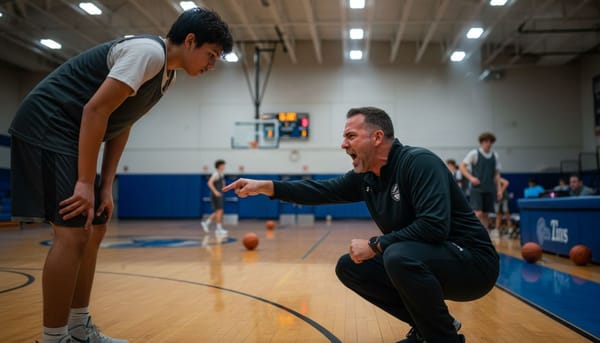
The podcast opened with something brutally honest: many basketball coaches genuinely care about their players but have completely run out of ideas. They're questioning whether players are actually improving. They're bored with their own practice plans. They've hit a development ceiling and don't know how to break through it.
This is spot on because we see this pattern constantly in recreational leagues. Coaches volunteer their time—often parents or former players who love the game—but they're essentially recreating whatever they experienced as players. And what worked in 1995 doesn't necessarily translate to developing skilled, thinking players in 2025.
The really interesting part? The issue isn't effort or caring. It's information. Most volunteer coaches have never been exposed to modern player development principles. They're stuck running three-man weaves and cone drills because that's what basketball practice "looks like" in their mental model.
In our experience working with leagues, this creates a massive ripple effect. When coaches are disengaged or uncertain, players feel it. Retention drops. Parents start questioning the value. And league organizers are left scrambling to figure out why families aren't coming back next season.
So what's the solution? That's where Transforming Basketball's camp model gets interesting.
The Shift: From Drills to Games (And Why This Changes Everything)
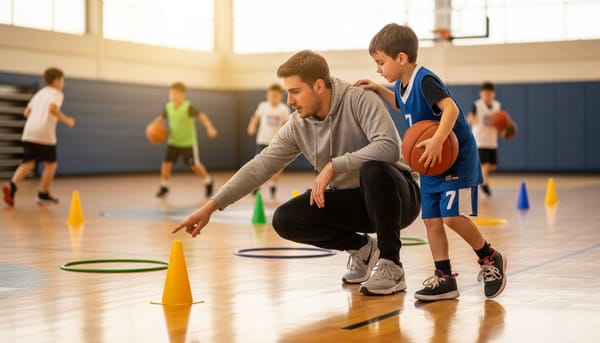
The central philosophy they discussed was moving away from traditional drill-based training toward constraint-based games that actually mimic real basketball situations. Instead of endless lines and repetitive movements divorced from game context, players are thrown into scenarios that require decision-making under pressure.
We'd add to this that the gaming approach solves multiple problems simultaneously. First, it's inherently more engaging. Kids don't need to be "motivated" to play games—they're naturally competitive and curious. Second, it develops basketball IQ alongside skill. When you're making decisions in a 1v1 game, you're not just working on your handles—you're learning to read a defender, recognize openings, and adjust on the fly.
But here's what really stood out to us: this approach actually makes coaching easier, not harder. That sounds counterintuitive, right? Surely designing effective games is more complex than running a simple shooting drill?
Not really. Once coaches understand the principles—which constraints to add, how to scale difficulty, what to look for—they can create dozens of variations without needing a massive playbook. Training with defenders becomes the default rather than the exception. Every activity has built-in feedback loops because players immediately see whether their decisions worked.
The Summer Camp Model: Immersive Learning for Coaches
What makes Transforming Basketball's camp approach unique is that it's designed for coach development as much as player development. Coaches don't just attend a weekend clinic and get handed a binder of drills. They're immersed in the methodology for an extended period, seeing it applied across different age groups and skill levels.
The part that really stood out to us was the emphasis on learning by doing. Coaches participate in the games themselves. They experience the constraints firsthand. They feel what it's like when a drill has too many variables or when the spacing isn't quite right. This experiential learning is incredibly powerful because it builds genuine understanding rather than rote memorization.
For league organizers reading this, think about the implications. What if instead of hoping coaches figure things out on their own, you created structures that actively developed your coaching pool? Not through PowerPoint presentations about "basketball fundamentals," but through hands-on experiences that transform how they think about practice design?
We've seen a few forward-thinking leagues experiment with coach development sessions, and the results are remarkable. Coaches who feel supported and continuously learning are more likely to return season after season. They're also more effective at improving shot selection and other advanced concepts that actually win games and develop players.
The summer camp model suggests something radical: maybe the limiting factor in youth basketball development isn't the players—it's that we haven't invested enough in equipping coaches with modern methods that actually work.
The Mentality Shift: From Controlling Players to Creating Environments
This is where the constraints-based approach really separates itself from traditional coaching methods. The key insight here is that coaches need to stop obsessing over controlling every single movement and instead focus on designing the right environments where skills naturally emerge.
Here's what really stood out to us: you can't micromanage your way to player development.
In our experience working with leagues across different skill levels, we've seen this play out repeatedly. The coaches who try to dictate every cut, every screen angle, every footwork pattern? Their players look great in drills but freeze in games. Why? Because they've been trained to wait for instructions rather than read and react.
Compare that to coaches who set up intelligent constraints — maybe limiting dribbles, requiring certain actions before a shot, or designing small-sided games that force decision-making. Those players develop actual basketball IQ. They learn to solve problems on their own.
We'd add to this that league management technology plays a subtle but important role here. When you're not drowning in administrative work — manually tracking schedules, scores, standings — you actually have mental bandwidth to think about practice design. To experiment with different constraints. To observe what's actually working rather than just running the same tired drills because that's what you've always done.
Why "Proven Practice Ideas" Matter More Than Theory
Let's be honest: basketball coaching content is drowning in theory right now. Everyone's talking about offensive philosophy, decision-making frameworks, conceptual understanding. And look, that stuff matters. But you know what coaches actually need?
Stuff they can run tomorrow.
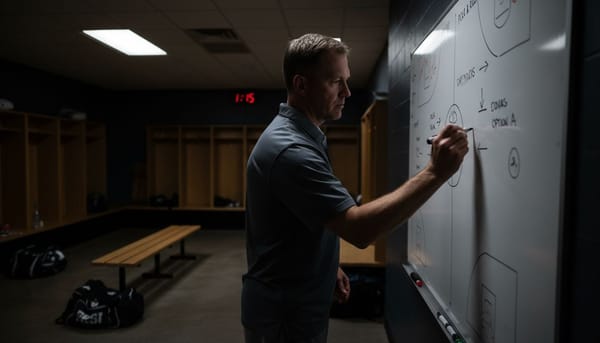
The emphasis on taking home "proven practice ideas you can use in your very next session" is spot on because it bridges that gap between understanding and implementation. You can read all the theory you want about improving shot selection, but if you don't have an actual drill or game structure to implement it, nothing changes.
This really resonates with what we hear from CourtClok users. Coaches are time-crunched. They're often volunteers or working multiple jobs. They don't have hours to theorize about the perfect practice plan. They need something that works, works quickly, and doesn't require a PhD in motor learning to understand.
The part that really stood out to us was the immediacy of it — "your very next session." Not next season. Not after you've studied for six months. Tomorrow. That's the standard we should all be holding basketball education to. Can this actually be implemented by a real coach with real constraints on their time and resources?
The International Perspective Adds Depth
Here's something we don't talk about enough: the international basketball community is way ahead of North America in some aspects of player development. The mention of learning from an international team of clinicians isn't just cosmetic diversity — it's accessing fundamentally different basketball philosophies.
European coaches, for instance, have been using constraints-based approaches for years. There's less obsession with athletic testing and more focus on game-realistic development. That's not to say the North American system is broken, but cross-pollination of ideas makes everyone better.
In our experience managing leagues with diverse coaching backgrounds, the best innovations often come from this kind of international exchange. Someone brings in a drill structure from Spain, another coach adapts a constraints principle from Australia, and suddenly you've got something entirely new that actually works with your specific group of players.
Building Your Coaching Network
Here's something the podcast really emphasized: basketball development isn't just about X's and O's. It's about community.
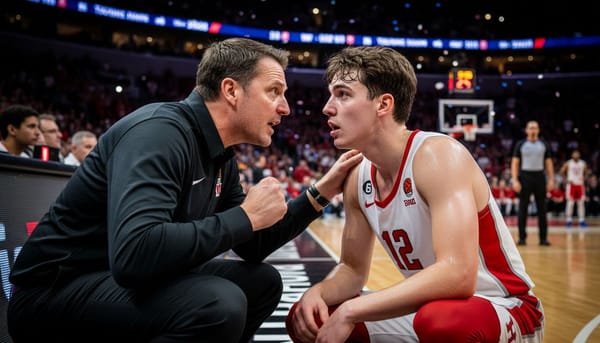
The part that really stood out to us was the emphasis on connecting with coaches who share your passion. This is spot on because coaching can be isolating, especially if you're running a small league or working with youth teams in areas where basketball isn't the dominant sport. You're making decisions every day—how to improve your teams shot selection, when to push players harder, when to back off—and sometimes you need people who understand those challenges.
In our experience working with leagues across different regions, the coaches who grow fastest are the ones who stay connected. They're in group chats. They attend camps and clinics. They share what's working and what isn't.
We'd add to this: technology makes building that network easier than ever. You don't need to wait for an annual conference to connect with other coaches. But when you do get the chance to meet in person—to sit down over a meal, watch sessions together, talk basketball late into the night—that's when the real growth happens. Those relationships become resources you tap into for years.
The Value of Stepping Away
And let's not overlook what was mentioned at the end: the beach is two minutes away.
Sounds like a throwaway detail, right? It's not.
Coaches burn out. We see it all the time. The relentless schedule of practices, games, film sessions, and administrative work takes a toll. If you're also managing league logistics—schedules, standings, scores—it can feel like you never get a moment to just think.
Taking time to step away, to recharge, to let your mind wander while you're looking at the ocean? That's not a luxury. That's essential. Your best ideas don't come when you're grinding through your fourth practice of the week. They come when you give your brain permission to rest.
This is why events that build in downtime—real downtime, not just a 15-minute break between sessions—are so valuable. You absorb what you've learned. You process it. You come back sharper.
Final Thoughts
This podcast laid out something important: player development isn't about doing more drills. It's about understanding why you're running those drills in the first place. It's about creating environments where players make decisions, where they struggle with decision making and learn from it, where the game itself becomes the teacher.
And for coaches? Growth comes from stepping outside your routine. From connecting with people who challenge your assumptions. From rethinking old approaches that might not serve your players anymore.
Whether you're running a rec league or coaching at a competitive level, the principles stay the same. Keep learning. Stay curious. Build your network. And remember—you can't pour from an empty cup. Take care of yourself so you can take care of your players. That's how you build something that lasts.