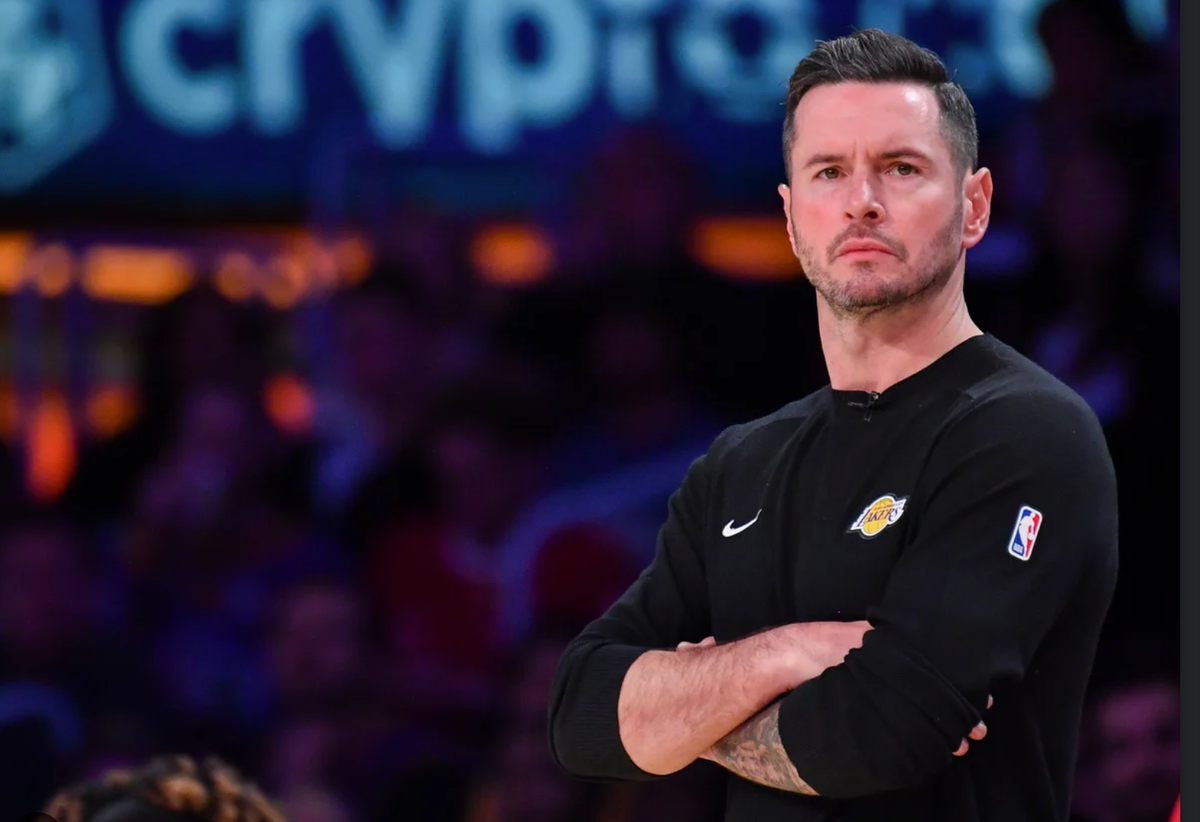
La Lakers Head Coach JJ Reddick has this to say about his team forgetting plays
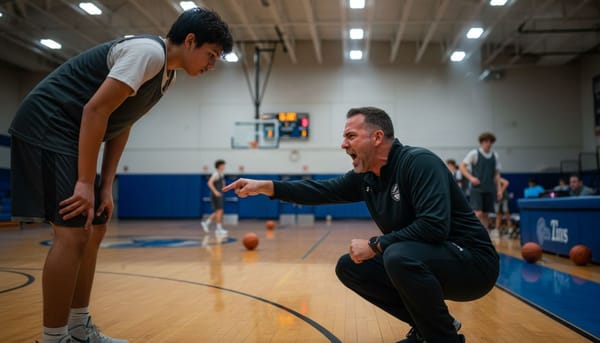
There's a moment most coaches know too well. You've drilled the play a hundred times. Drawn it up on the whiteboard. Walked through it at half speed. Then the game starts, and... nothing. Blank stares. Missed assignments. A turnover.
We heard this frustration discussed recently and it really resonated with us. A coach, clearly exasperated, asked the question that haunts gyms everywhere: "Is it a matter of just forgetting plays or not?" His response? Honest and raw. "I don't know. I wasn't a guy that forgot plays. So I don't know. I mean, I don't know what else to do."
That last line hits hard. "I don't know what else to do."
Here at CourtClok, we work with hundreds of leagues and coaches. This isn't a rare problem. It's the problem. And we think the answer isn't about drilling harder or finding more creative ways to teach the same plays. The answer is questioning whether we're teaching the right things in the first place.
The "I Wasn't a Guy That Forgot Plays" Trap
Let's unpack that coach's statement for a second. "I wasn't a guy that forgot plays." It's completely honest. Many coaches weren't. They were the kids who absorbed information quickly, saw the floor naturally, remembered every set. They probably made all-conference, maybe played in college.
But here's the uncomfortable truth: most of your players aren't you.
They don't process information the same way. They don't see the game the same way. And expecting them to remember complex offensive sets with multiple options, counter-actions, and timing requirements is like expecting everyone to be fluent in a language they've heard once or twice a week for an hour.
This is exactly what we see with leagues using CourtClok. Coaches pour enormous energy into intricate play design. Meanwhile, in games, teams default to basic pick-and-roll or isolation basketball because that's what kids can actually execute under pressure. The gap between practice complexity and game simplicity is massive.
We're not saying plays have no value. We're saying if your players consistently can't execute them, the problem might not be the players.
What's Actually Happening in Their Brains
Let's get real about cognitive load for a second. When you're on the court, you're processing dozens of variables simultaneously. Where's my defender? Where's the help? Is that screen coming? Did the ball handler see me? Am I in the right spot? What's the score? How much time is left?
Now add: "What play are we running? Where do I go first? When do I cut? Do I screen before or after the reversal?"
It's overwhelming. Especially for youth and high school players whose basketball IQ is still developing.
The coaches who didn't forget plays? They had years of experience reducing this cognitive load. Pattern recognition was automatic. But when you're teaching players who don't have that foundation, every play instruction adds another layer of complexity that might push them past their processing capacity.
That's when you get the blank stares. The missed assignments. The "forgetting."
But they're not really forgetting. They're overloaded. There's a difference.
The Modern Basketball Alternative
So what's the solution? We've seen a shift happening in modern basketball coaching philosophy that addresses exactly this problem. Instead of memorizing fifteen plays, teach principles. Instead of choreographed movements, teach reads and reactions.
Think about it. When a defense switches, does your set play have an answer? Or do your players need to freelance? If they're going to freelance anyway, why not train them to read and react from the start?
This doesn't mean chaos. It means teaching simplified actions with clear decision trees. Simple two-person actions that create advantages. Spacing principles that apply regardless of the specific action. Reads based on what the defense gives you.
Players can remember principles. "Attack a closeout." "Fill the gap." "Screen for the screener." These aren't plays to memorize. They're concepts to internalize.
And when your system is built on principles rather than plays, something beautiful happens: players stop looking to the bench for instructions and start playing basketball. They make mistakes, sure. But they're learning mistakes, not memory mistakes.
The Dead Ball Timeout Trap
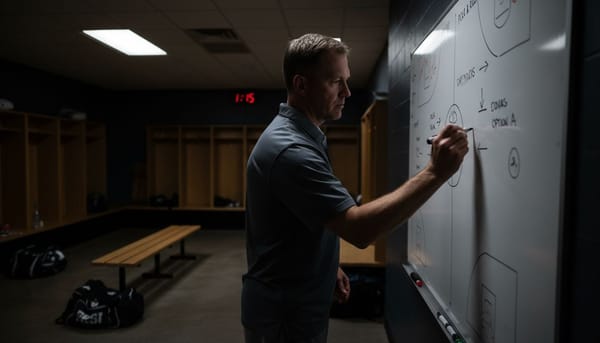
We've all seen it happen. Coach calls a timeout with 45 seconds left in a tight game. Everyone huddles up. The coach starts drawing up the perfect play on the whiteboard — screens here, cuts there, spacing just right.
But here's what we notice time and again: the players are nodding, but are they really absorbing it?
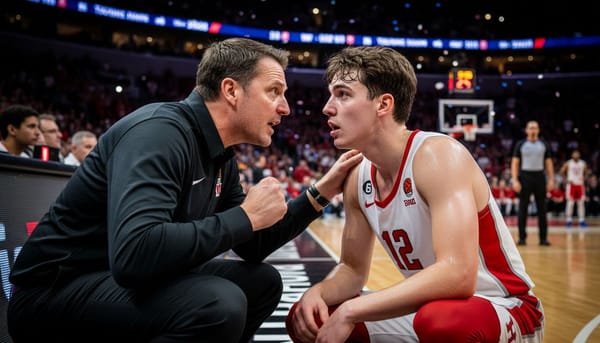
The reality is that coaches should listen to players during timeouts just as much as they talk. When you're joysticking every movement from the sideline during dead balls, you're not coaching — you're remote controlling. And there's a massive difference.
Here at CourtClok, we've watched hundreds of games where coaches call these elaborate dead ball plays. "Bring it up the left side. I want Player A setting the screen. Player B cutting backdoor." It sounds great in theory. But basketball is fluid. Dynamic. Chaotic.
What happens when the defense switches? When the lane gets clogged? When Player A slips on a wet spot?
Your perfectly choreographed play falls apart. And your players, who've been trained to follow instructions rather than read the game, freeze up.
Teaching Decision-Making vs. Teaching Plays
This is exactly what separates good programs from great ones. Good programs run plays. Great programs develop players who can think.
We're not saying game planning doesn't matter. Of course it does. But there's a point where over-coaching during dead balls actually stunts player development. You're solving every problem for them before they even face it.
Think about youth and rec leagues especially. These players need reps making decisions under pressure. They need to learn how to recognize a trap, when to attack a closeout, how to exploit a mismatch. That doesn't happen when every possession is scripted from the bench.
The modern approach focuses on player development over set plays, giving athletes the principles and freedom to execute within a framework. It's messier. It requires trust. But it works.
When we built CourtClok's timeout and game management features, we wanted to support coaches in tracking what actually matters — player rotations, foul trouble, momentum shifts. Not micromanaging every cut and screen.
The Real Cost of Sideline Joysticking
Here's what constant sideline direction actually costs you:
- Player confidence erodes — they're always looking to the bench instead of trusting their reads
- Reactions slow down — there's a delay while players wait for instructions
- Creativity dies — the beautiful, instinctive plays never happen because everything's predetermined
- Pressure multiplies — players feel like they're always one wrong move away from being yanked
And honestly? It's exhausting for coaches too. You're trying to see everything, call everything, control everything. That's not sustainable for a full season, let alone multiple games in a weekend tournament.
When Your System Meets Reality
We've all been there. You design the perfect play, drill it in practice, and then game time hits and your best shooter is on the wrong side of the floor. Again.
This is exactly what we see with leagues using CourtClok — the gap between what coaches plan and what actually happens on the court is massive. And honestly? That's not always a bad thing.
The coach in the discussion chalked these misalignments up to "the holidays," but we think it goes deeper. When players aren't where they're supposed to be for that away toss or the designed action breaks down because someone's out of position, it's often a signal. Maybe the system's too rigid. Maybe the players need more freedom to read and react. Or maybe — and this is where it gets interesting — coaches should listen to players during timeouts and adjust based on what they're actually seeing out there.
Here at CourtClok, we've built tools specifically for tracking these patterns. When you're managing games and keeping stats, you start to notice trends. Is it really just holiday rust, or is there a deeper positional issue? Are certain lineups consistently out of sync?
The best coaches adapt. They don't just blame the calendar.
Building Systems That Breathe
The real takeaway from all this? Your basketball system needs to have some flex in it. Some give. Room for players to think and adjust without everything falling apart.
We're not saying throw out structure entirely. Structure matters. But when your away toss action depends on perfect positioning every single time, you're setting yourself up for frustration. Modern basketball demands a new approach — one that balances teaching concepts with allowing players to make reads based on what's actually in front of them.
Think about it: the best professional teams run concepts, not plays. They have principles and reads, sure, but they're not robots executing choreography. They're basketball players playing basketball.
Your youth or rec league team deserves the same respect. Teach them the why behind the action, not just the where to stand. When they understand the concept, they can adjust when things inevitably go sideways.
The Bottom Line
Basketball is messy. Players get tired, forget assignments, make mistakes, and sometimes just see something different than what you drew up. That's the game.
As coaches and league organizers, our job isn't to eliminate that messiness — it's to build systems that work with it. Whether you're managing a competitive travel league or a community rec program, the principles are the same: teach concepts over choreography, give players room to think, and stay flexible enough to adjust when reality doesn't match your clipboard.
At CourtClok, we're here to help you manage the logistics so you can focus on the coaching. Track your games, manage your schedules, keep your stats — and spend more time developing players who can actually think on the court. Because at the end of the day, that's what separates good teams from great ones. Not perfect execution of set plays, but players who understand the game well enough to make the right play when things break down.
And things will always break down. That's basketball.