Klay Thompson’s shooting advice
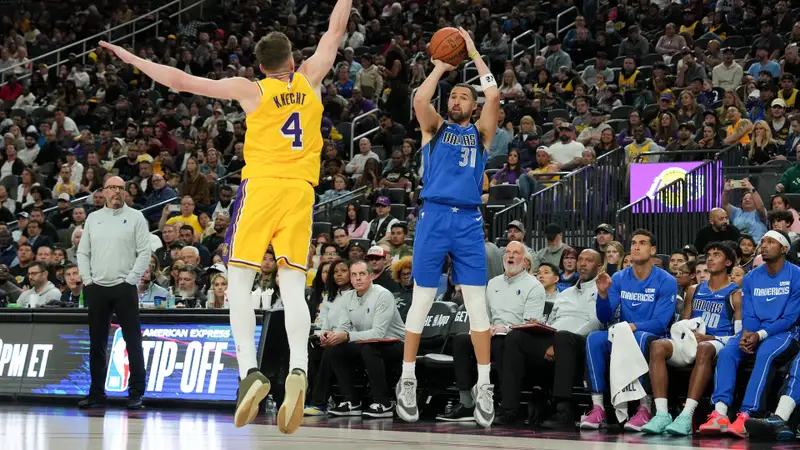
When most coaches think about shooting development, they picture a player standing still at the three-point line, perfecting their form through endless repetition. But here's what we heard recently that completely flipped that assumption: when asked what improved most through his elite shooting workouts, the answer wasn't about hand placement or follow-through. It was about movement.
That hit us hard. Because at CourtClok, we see this disconnect all the time in leagues and training sessions we work with. Coaches obsess over perfect shooting mechanics while their players struggle the moment they have to catch and shoot on the move, navigate a screen, or create separation. The game has evolved. Shouldn't our approach to shooting development evolve with it?
The Standing Still Problem
Let's be honest about what happens in most shooting drills. A player catches the ball with their feet set, takes their time, and shoots. Maybe there's a coach feeding them passes. Maybe they're working off a gun. Either way, they're stationary.
And look, we're not saying form work has zero value. It doesn't. But when the entire focus becomes perfecting mechanics in a static position, we're preparing players for a version of basketball that doesn't exist anymore. When's the last time you saw a player get a wide-open catch-and-shoot opportunity where they had three seconds to set their feet exactly how they want?
The reality? Modern basketball is chaotic. Defenders close out aggressively. Shooters are coming off screens at full speed. They're relocating, cutting, and creating angles in transition. If your shooting development doesn't account for this reality, you're building a skill set that works in the gym but falls apart in games.
This is exactly why we've seen a shift toward player development over rigid set plays in modern basketball. The game rewards adaptability, not perfection.
What Elite Shooters Actually Work On
So what was the real answer about those elite shooting workouts? As shooting ability increased, the focus shifted to movement. Not standing still and shooting prettier. Moving better to get shots off.
Think about that for a second.
The progression isn't "good form" to "better form" to "perfect form." It's "good enough form" to "shooting off movement" to "creating your own shot." Elite shooters understand something recreational and youth players often miss: the skill isn't just making the shot. It's getting the shot in the first place.
We've watched this play out in leagues using CourtClok. The players who dominate aren't always the ones with the prettiest shooting form in warmups. They're the ones who know how to use a screen, how to relocate when the defense collapses, how to create just enough space to get their shot off. They've trained their ability to shoot in motion, under pressure, with defenders closing out.
And here's the kicker: teaching this way is actually more engaging for players. Nobody dreams about standing in the corner doing form shooting for an hour. But competitive shooting games that emphasize movement, decision-making, and game-like scenarios? Players love that stuff. They'll work twice as hard because it actually feels like basketball.
Why Coaches Keep Getting This Wrong
So if movement-based shooting development is clearly superior, why do so many coaches still default to static form shooting? We think there are a few reasons.
First, it's easier to teach and organize. You can line up ten players and have them all shoot form shots while you watch and correct. There's a clear structure. Everyone gets their reps. It feels productive.
Second, there's a legacy effect. This is how shooting was taught for decades, so it's what many current coaches learned. Challenging that requires admitting that maybe the way we learned wasn't optimal. That's uncomfortable.
Third—and this is important—most coaches don't have access to the kind of insights that inform elite training programs. They're not sitting in on professional workouts or getting mentored by NBA-level skills coaches. They're doing their best with the knowledge they have, and we genuinely respect that. The basketball coaching community needs better information sharing, and honestly, that's part of why we're writing this.
Finally, there's a measurement problem. Perfect shooting form is easy to see and correct. But "ability to create and make shots in game-like situations"? That's harder to quantify in a practice setting. Though when you're listening to players during timeouts and tracking actual game performance with tools like CourtClok, the results become crystal clear pretty quickly.
Off-Movement Shooting: The Skill That Separates Good from Great
We heard this discussed recently and it really resonated with us because it's exactly what separates recreational players from competitive ones. The ability to shoot off the move isn't just a nice-to-have skill anymore. It's fundamental.
Think about it. When defenders know you can shoot, they're already closing out hard before you even catch the ball. Standing still isn't an option. You need to be able to catch and immediately relocate, shoot off a screen while your body's still adjusting, or pull up coming off a handoff.
This progression makes perfect sense. Year one, you work on catch-and-shoot mechanics. Get comfortable with your base. Year two, you start adding movement. Year three? You're shooting at game speed with defenders draped all over you.
Here at CourtClok, we see coaches trying to track this development across entire rosters, and it's not easy. Which players can only shoot when they're set? Who's progressed to shooting off movement? Where should practice reps be focused?
The challenge isn't just teaching the skill. It's monitoring the progression systematically across a whole team or league. When you're managing multiple teams and trying to ensure each player is being pushed to the next level, you need more than a clipboard and good intentions.
The Progression Problem Most Leagues Face
We've built tools specifically for this kind of developmental tracking. Because the reality is that modern basketball demands a new approach to how we think about player progression.
You can't just run the same drills season after season and hope players improve. That's the old model. The new model requires intentional progression, documented growth, and coaching adjustments based on where each player actually is in their development.
But how do you actually implement that at scale?
Most recreational leagues and club programs don't have full-time coaching staffs. They have volunteers. Passionate people who love the game but who are juggling this alongside full-time jobs and families. These coaches need systems that make developmental tracking simple, not another administrative burden.
This is where the conversation around shooting progression gets really practical. Sure, we all know players should be developing beyond perfect shooting form. But translating that knowledge into actionable practice plans, trackable metrics, and visible player improvement? That's the hard part.
When a coach asks their version of "Hey, when you're coming off, what are you thinking about?" they need to remember the answer. They need to track which players got which feedback. And ideally, they need to see if that feedback actually led to improvement weeks or months later.
Overthinking Is the Real Enemy
This right here. This is the moment that should change how every coach approaches skill development.
Klay Thompson — one of the purest shooters in basketball history — doesn't think about his feet. He doesn't think about his shoulders. He doesn't obsess over the mechanical details that coaches spend entire practices drilling into players' heads.
He just shoots.
We've seen this pattern play out in leagues using CourtClok all the time. The coaches who produce the most confident shooters aren't the ones with the most elaborate form checklists. They're the ones who create environments where players get tons of reps and stop teaching perfect shooting form as if there's only one right way to do it.
Think about it from the player's perspective. You're standing on the wing. The ball swings to you. In that split second, are you really going to run through a mental checklist? Feet at shoulder width, check. Elbow at ninety degrees, check. Follow-through high, check. By the time you've thought through all that, the defense has rotated and the opportunity is gone.
Great shooters operate on feel, not formula. They've put in so many reps that the mechanics become automatic. Invisible. They can focus entirely on reading the defense, timing their cut, and making the shot.
Building Confidence Through Volume and Trust
Here's what we believe: confidence comes from two places. Volume and trust.
Volume means getting enough shots up that the motion becomes natural. Not five perfect form shots per practice. Hundreds of shots. Thousands. From game spots, at game speed, with game context. This is exactly why modern basketball demands a new approach that prioritizes player development over rigid systems.
Trust means coaches giving players permission to shoot. Permission to miss. Permission to develop their own natural mechanics rather than forcing them into a cookie-cutter mold that might not fit their body.
At CourtClok, we've built tools that help coaches track what actually matters — are players getting enough touches? Are they taking shots in games? Are they showing growth over time? Our scorekeeping and stats tracking give you objective data on player involvement without obsessing over whether their shooting form matches some textbook ideal.
Because honestly? Klay Thompson's form probably wouldn't pass muster with half the form coaches out there. Too much of a set shot. Not enough knee bend. Whatever critique you want to make. But he's made over 2,000 three-pointers in his career, so maybe we should stop pretending there's one perfect way to shoot a basketball.
The Real Lesson for League Organizers and Coaches
If you're running a league or coaching a team, this conversation should make you rethink how you spend practice time.
Less time on mechanical perfection. More time on creating scoring opportunities and giving players the confidence to take them. Less time talking at players about form. More time listening to what they're actually feeling and experiencing on the court.
The coaches who get this are creating better players. Not robots who can demonstrate perfect form in slow motion but freeze up in games. Real players who can compete.
We're not saying mechanics don't matter at all. Obviously they do. But they matter less than we've been taught to believe. And they definitely matter less than confidence, decision-making, and getting enough reps to develop feel.
So maybe it's time we stop coaching like we're training mechanical engineers and start coaching like we're developing basketball players. Players who, like Klay, can catch the ball and shoot it without thinking. Players