HORNS → DHO → DOUBLE DRAG
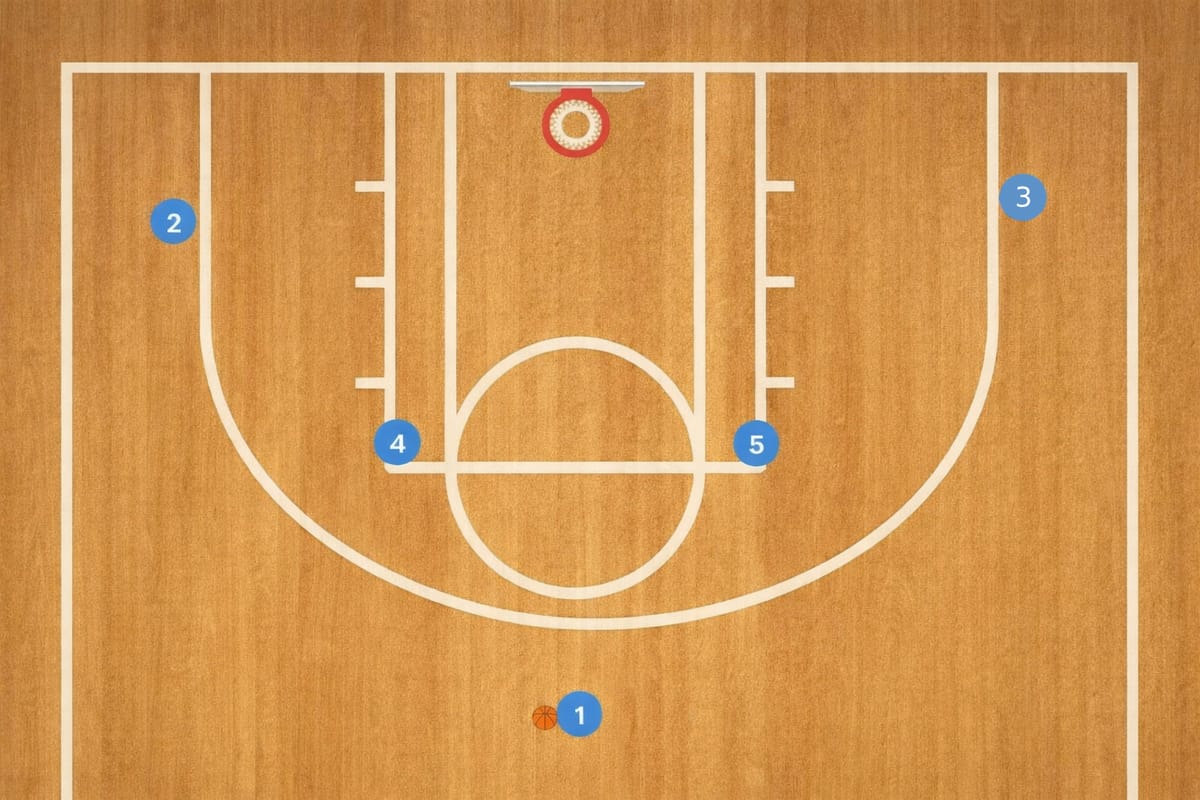
A perfectly timed back door cut. No words exchanged. No signals. Just pure basketball instinct.
We've watched thousands of recreational and youth league games through CourtClok, and here's what we've noticed: the teams that win aren't always the most athletic. They're the ones that communicate without talking. The ones whose players seem to read each other's minds. It's almost eerie how synchronized they become — and it's not magic. It's court awareness.
This idea hit us recently when we were reviewing game footage from one of our partner leagues. A player made a brilliant cut at exactly the right moment. No coach called it. No teammate yelled for it. The player just knew. That's the invisible skill that separates good basketball from great basketball, and it's something every coach can develop in their players.
What Court Awareness Actually Means (And Why Most Coaches Get It Wrong)
Let's be honest — "court awareness" sounds like coach-speak. One of those vague terms that gets thrown around without much explanation.
But here's what it really is: the ability to process what's happening around you without staring directly at it. Where are your teammates? Where are the defenders? What passing lanes just opened? What's about to close?
Most coaches try to teach this through drills. Run here, cut there, screen at this angle. And sure, that stuff matters. But we've noticed something interesting with leagues using CourtClok: the teams that develop the best court awareness aren't running the most complex plays. They're playing more. They're getting more game reps, more chaotic situations, more moments where they have to think instead of just executing.
You can't script awareness. You can only create environments where it has to develop.
Think about that back door cut we mentioned. The cutter didn't run it because coach drew it up in the huddle. They ran it because they saw their defender ball-watching. They felt the space behind them. They recognized the moment. That's not a play — that's reading the game.
The Three Components Every Player Needs to Master
Court awareness isn't one skill. It's three distinct abilities working together, and honestly, most players are strong in one but weak in the others.
Spatial awareness: Where is everyone on the court right now? This is the foundation. If your player doesn't know where their teammates are positioned, they can't make the right decision. Period. We see this constantly in youth leagues — a player gets the ball and immediately puts their head down. They've lost all spatial reference. The game is happening around them, but they're not in it anymore.
This connects directly to why modern basketball demands player development over set plays. When players rely too heavily on predetermined movements, they stop reading the floor.
Temporal awareness: What's about to happen next? This is the harder one to develop because it requires players to think one step ahead. It's not just where everyone is — it's where they're going. Is that defender closing out hard? There's probably a drive lane. Is your teammate starting to curl around a screen? Get ready to relocate. The best players we've seen don't just react to what's happening. They anticipate it.
Decision-making speed: How fast can you process all this information and act on it? Because here's the brutal truth — if you see the right play but take three seconds to decide, the window's already closed. Basketball happens in milliseconds at the competitive level. Your brain needs to process spatial info, predict what's coming, and execute a decision almost simultaneously.
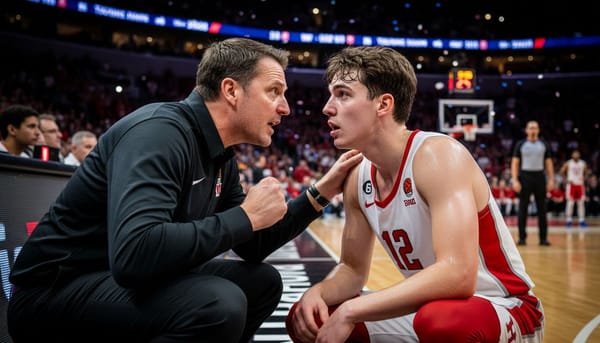
When we talk to coaches about listening to players during timeouts, this is part of why it matters so much. Players who are actively reading the game have insights coaches can't see from the sideline. They're feeling the rhythm, the spacing, the defensive tendencies in real-time.
Why Traditional Drills Fall Short (And What Actually Works)
Here's where we probably ruffle some feathers: most court awareness drills are terrible.
Not because they're poorly designed. They're just too controlled. Too predictable. You know what happens in a real game? Chaos. Beautiful, unpredictable chaos. Your center sets a screen in the wrong spot. The point guard slips. A defender gambles for a steal. And suddenly the play you practiced fifteen times in a row means nothing.
We've built CourtClok specifically to help leagues maximize actual game time because that's where real awareness develops. Not in controlled four-on-zero motion offense. In messy, competitive, figure-it-out-right-now basketball.
The players with the best court awareness? They've played a lot of basketball. Pickup games. League games. Tournament games. They've seen thousands of different situations and their brains have built a massive pattern recognition database.
The Mental Side of Ball Handling Under Pressure
We heard something discussed recently that really resonated with us: ball handling isn't just a physical skill. It's mental. The difference between a player who can handle the ball in their driveway versus one who can do it in a packed gym during a close game? That's all between the ears.
Here at CourtClok, we see this every single weekend. League organizers tell us about players who look incredible in warmups but crumble when the pressure's on. When the score is tied. When their defender gets aggressive. When the crowd gets loud.
That's why we've always believed training players to handle aggressive contact has to be part of your ball handling work. You can't separate the two. The best handles in the world mean nothing if a player panics the moment someone pressures them full court.
Think about it. How many turnovers in your league happen because of actual skill deficiency versus mental breakdown? We'd bet it's closer to 70-30 in favor of mental mistakes.
Players rush. They telegraph passes. They pick up their dribble too early. These aren't technique problems — they're decision-making problems that show up when stress enters the equation.
Building Game-Realistic Ball Handling Scenarios
So how do you actually train this?
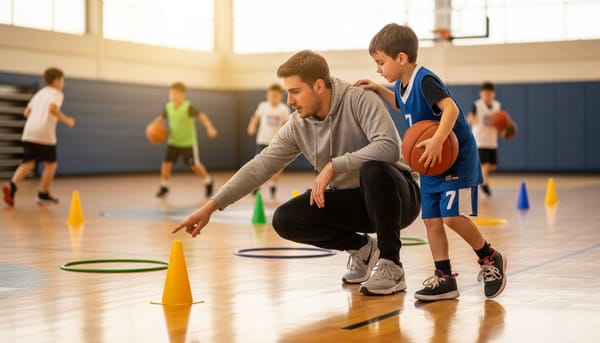
You can't just run cone drills and expect it to translate. We've seen too many coaches fall into this trap. They run beautiful, choreographed ball handling circuits where everything is controlled and predictable. Then game day comes and their players look lost.
The disconnect is obvious: games aren't predictable.
This is exactly what we see with leagues using CourtClok. The teams that succeed are the ones practicing in chaotic, game-like situations. Adding defenders. Adding time pressure. Adding consequences. When coaches listen to players during timeouts, they hear the same thing over and over: "It's different in the game."
Of course it is. Because you can't replicate game pressure by dribbling around cones.
Here's what works: small-sided games with constraints. Three-on-three where you must make five passes before shooting. Two-on-two where offensive players can only use their weak hand. One-on-one with a live defender who's actually trying to steal the ball, not just standing there as a mannequin.
Make practice uncomfortable. That's where growth happens. That's where players learn to handle the ball when it actually matters — when someone's in their face, when they're tired, when the outcome matters.
Building Real Game Confidence Through Repetition
We heard Brandon emphasize something that really resonated with us: the importance of giving players massive amounts of repetitions in game-like situations. Not choreographed drills. Not perfect form work. Real reps with defenders, contact, and chaos.
This is exactly what we see with leagues using CourtClok. The teams that improve fastest aren't running the most elaborate plays. They're getting their players more touches in situations that simulate aggressive contact and real decision-making pressure.
Brandon's point about players needing to feel confident rather than just be told they're good? That only comes through volume. Through doing it over and over until it becomes automatic. Until the floater isn't something you think about—it's just what your body does when you're in the paint.
Here at CourtClok, we've built tools specifically for tracking these developmental moments. Our league management system helps coaches monitor not just points scored, but growth over time. Which players are getting those crucial reps? Who's improving their finishing percentage near the rim? The data tells the story.
The Bigger Picture: Player-Centered Coaching
What stands out most about Brandon's entire approach is how player-centered it is. He's not imposing his vision on kids. He's meeting them where they are and building from there.
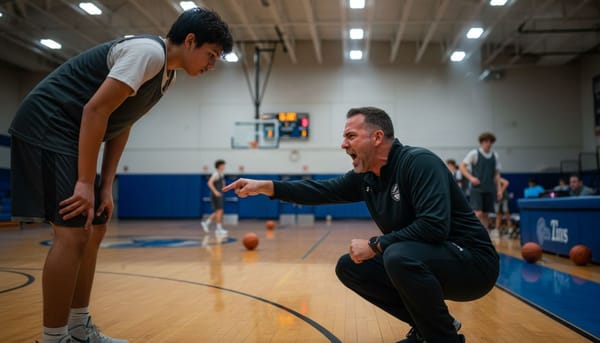
That means listening to players during timeouts instead of just talking at them. It means adapting your system to fit their strengths. It means recognizing that development isn't linear—some kids need different cues, different games, different amounts of time.
This philosophy aligns perfectly with why modern basketball demands a new approach to coaching. The old model of rigid systems and one-size-fits-all instruction? It's dying. The coaches winning at every level are the ones who prioritize skill development, creativity, and individual growth.
And honestly? That's harder work. It requires more attention, more customization, more patience. But the results speak for themselves.
Final Thoughts
Brandon Anderson's insights remind us why we built CourtClok in the first place. Coaches need better tools to manage the complexity of modern player development. They need systems that help them track individual progress, organize competitive games, and keep players engaged throughout the season.
Whether you're running a youth league or coaching high school varsity, the principles are the same. Make practice fun. Give players tons of game-like reps. Build their confidence through experience, not just encouragement. And create an environment where skill development happens naturally through competition.
That's the future of basketball coaching. We're here to support it.